A garden fence is often treated as a finishing touch. Something added after the landscaping is done or when boundaries need to be marked. But in reality, a well-designed fence is one of the most influential elements of any outdoor space. It shapes how you experience your home. It determines how secure you feel. It defines whether your garden becomes a sanctuary or remains exposed to the outside world. For homeowners today, the need for privacy and security has become more nuanced. It is no longer enough to simply block a view or mark territory. The modern approach to garden fence privacy ideas focuses on layered protection. It blends structural strength, visual screening, and environmental comfort into one cohesive design. When approached with intention, a fence does not isolate. It protects while still allowing you to enjoy openness. It creates a sense of control over your environment, where you decide what is seen, what is heard, and what is accessible. This transformation is what elevates a fence from a boundary to a critical design and security feature.
From Boundaries to Barriers: Understanding the Strategic Role of Fencing
A fence serves multiple purposes simultaneously, but its effectiveness depends on how well these purposes are integrated.
Privacy and Security: Two Sides of the Same Structure
Privacy is about limiting visibility. Security is about restricting access. While they often overlap, they require different design considerations. A tall, solid fence may block sightlines effectively, but if it lacks structural integrity or can be easily climbed, it does little to prevent intrusion. Conversely, a strong metal fence with wide spacing may deter entry but leave your garden fully exposed. The most effective garden fence privacy ideas are those that bridge this gap. They combine visual obstruction with physical resistance, creating a barrier that functions on both levels simultaneously.
Psychological Security and Visual Impact
Security is not only physical. It is also psychological. A well-designed fence communicates strength and control. It signals to outsiders that the property is protected, reducing the likelihood of unwanted attention. At the same time, the fence must maintain a sense of comfort for those inside. Overly harsh or imposing designs can create a feeling of confinement. The challenge lies in achieving a balance where the fence feels secure without becoming oppressive.
Exploring Fence Styles Through a Functional Lens
The style of your fence determines how effectively it delivers privacy and security. Each design carries its own advantages and limitations.
Solid Panel Designs for Complete Seclusion
Solid fences are the most direct solution for privacy. They eliminate visibility entirely, creating a closed environment that feels protected and intimate. These fences are particularly effective in urban settings, where proximity to neighbors and traffic can compromise privacy. Beyond visual screening, solid panels also act as sound barriers. They reduce noise intrusion, allowing your garden to function as a quieter, more controlled space. However, their effectiveness depends on material quality and installation precision. Weak panels or gaps can undermine their purpose.
Semi-Private Structures for Balanced Living
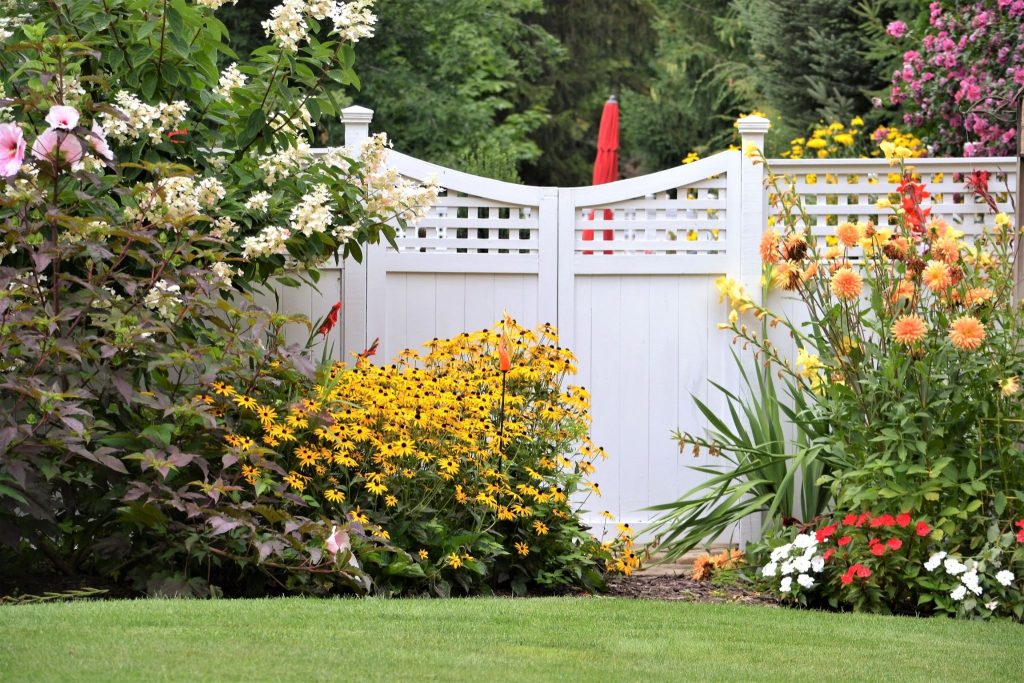
Semi-private fences introduce controlled openness. They incorporate narrow gaps, slats, or lattice patterns that allow light and air to pass through while still limiting direct visibility. This design approach is ideal for homeowners who want to maintain a connection with their surroundings without sacrificing privacy. It softens the boundary, making the space feel less enclosed while still providing a degree of protection.
Layered and Hybrid Fencing Concepts
Advanced garden fence privacy ideas often involve layering. This means combining multiple materials or elements to enhance both function and appearance. A wooden fence paired with metal reinforcements or climbing greenery creates a structure that is harder to breach and more visually dynamic. Layering also introduces depth. It disrupts clear sightlines and adds complexity, making it more difficult for outsiders to assess or access the space.
Material Choices That Define Performance
The material of a fence is not just an aesthetic decision. It directly impacts durability, maintenance, and security.
Wood: Versatility with Responsibility
Wood remains a popular choice due to its natural appearance and adaptability. It can be customized into various styles, from solid panels to decorative designs. However, wood requires consistent maintenance to prevent decay and maintain strength. When properly treated, wood offers a balance of privacy and moderate security. Its effectiveness increases when combined with reinforced posts and secure installation techniques.
Metal and Composite: Strength Meets Longevity
Metal fences provide superior resistance to force. They are difficult to break, resistant to weather, and capable of supporting additional security features such as spikes or anti-climb designs. Composite materials offer a hybrid solution. They replicate the appearance of wood while providing enhanced durability and reduced maintenance. These materials are particularly suitable for homeowners seeking long-term performance without frequent upkeep.
Height, Placement, and Structural Integrity
Even the best materials and designs can fail if they are not implemented correctly.
Determining the Right Height
Height is one of the most critical factors in achieving both privacy and security. A fence that is too low fails to block views and offers little resistance to entry. A taller fence provides better coverage but must align with local regulations and aesthetic considerations. The ideal height creates a sense of enclosure without overwhelming the space. It should feel protective rather than restrictive.
Positioning for Maximum Effectiveness
Placement affects how well the fence integrates with the property. Aligning it with boundaries maximizes usable space while maintaining protection. Corners and entry points must be carefully designed, as these areas are often the most vulnerable. A continuous, well-aligned structure eliminates gaps and weak points, ensuring consistent performance across the entire perimeter.
Security Enhancements That Elevate Basic Fencing
Anti-climb features such as smooth finishes or angled tops reduce accessibility
Reinforced gates and locking mechanisms strengthen entry points
Integrated lighting increases visibility and deters unwanted activity
Combining fencing with surveillance systems adds an extra layer of protection
These enhancements transform a simple fence into a comprehensive security system.
The Role of Landscaping in Reinforcing Privacy
Fencing does not operate in isolation. Landscaping can significantly enhance its effectiveness.
Natural Barriers as Complementary Layers
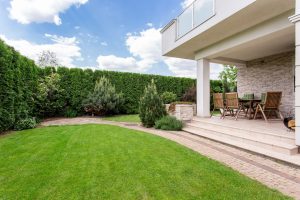
Hedges, shrubs, and climbing plants act as secondary barriers. They increase visual obstruction and create a softer, more natural appearance. This combination of hard and soft elements improves both privacy and aesthetics, making the space feel more inviting while remaining secure.
Creating Depth Through Green Integration
Layering plants along the fence line adds depth and complexity. It disrupts direct sightlines and creates a more immersive environment. This approach not only enhances privacy but also contributes to the overall ambiance of the garden.
FAQs
What is the most effective fence design for privacy and security?
A solid, well-constructed fence made from durable materials such as wood, composite, or metal offers the best combination of privacy and security. Adding features like reinforced gates and anti-climb elements further enhances its effectiveness.
Can plants improve fence privacy?
Yes, plants such as hedges and climbing vines act as natural barriers. They increase visual coverage and add depth to the fence design, making it more effective while also improving the overall appearance of the space.
How do I ensure my fence lasts long-term?
Choosing high-quality materials, ensuring proper installation, and performing regular maintenance are key. Protecting wood from moisture and checking for structural weaknesses periodically helps maintain durability and performance.