A garden fence serves multiple purposes: it provides privacy, protects your plants from pests, and adds a decorative element to your outdoor space. Choosing the right materials for your fence is crucial for ensuring durability and style. With so many options available, it can be overwhelming to decide which materials will best suit your needs. In this article, we will explore the various materials that are ideal for creating a durable garden fence while maintaining an attractive appearance.
Understanding Your Needs
Before diving into specific materials, it’s important to consider what you want to achieve with your garden fence. Are you looking for something that offers maximum privacy? Or perhaps you want a fence that will withstand harsh weather conditions? Understanding your needs will help you make an informed decision.
Additionally, consider the aesthetic aspect. A fence should complement your garden and home. You might prefer a traditional wooden fence, a modern metal design, or something more unique. By defining your priorities, you can narrow down your material choices effectively.
1. Wooden Fences: Timeless and Versatile
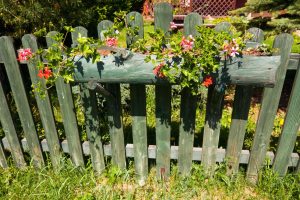
Wooden fences are a classic choice for garden fencing. They offer a natural look and can be customized in various styles. Different types of wood, such as cedar, pine, and redwood, provide different benefits and aesthetics.
Cedar Fencing
Cedar is a popular choice for garden fences due to its natural resistance to decay and insects. This quality makes it an excellent long-term investment. Additionally, cedar has a beautiful grain that enhances the overall appearance of your garden. The warm tones of cedar can create a cozy atmosphere, making it ideal for rustic or traditional gardens.
Pine Fencing
Pine is another commonly used wood for fences. It is more affordable than cedar and can be treated to resist rot and insects. However, untreated pine requires regular maintenance and staining to prolong its lifespan. If you’re looking for budget-friendly options, pine may be your best bet, especially if you are willing to provide some upkeep.
Redwood Fencing
Redwood is a premium choice that boasts both beauty and durability. Its rich reddish hue and fine grain lend an elegant touch to any garden. Redwood is naturally resistant to warping and splitting, making it an excellent choice for those looking for longevity.
2. Metal Fences: Modern and Durable
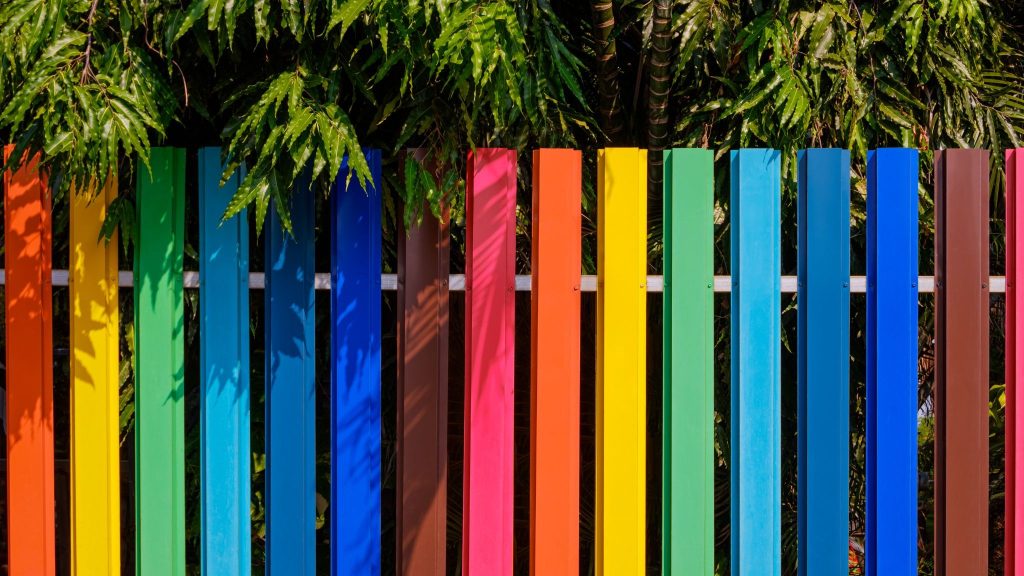
Metal fences are increasingly popular for their modern look and durability. They are strong, low-maintenance, and can withstand harsh weather conditions without losing their appeal.
Aluminum Fencing
Aluminum fences are lightweight, rust-resistant, and come in various styles and colors. They offer a clean, contemporary look and can be easily customized to fit your garden’s aesthetic. Additionally, aluminum fences are durable and require minimal maintenance, making them a practical choice for busy homeowners.
Wrought Iron Fencing
For a more traditional yet stylish option, wrought iron fencing stands out. Its intricate designs can add a touch of elegance to your garden. Wrought iron is incredibly strong and can last for decades if properly maintained. While it requires more upkeep than aluminum, the beauty it adds to your garden is often worth the effort.
Chain Link Fencing
While not as decorative as other options, chain link fencing is a practical choice for those seeking security without breaking the bank. It is highly durable and can be coated with vinyl for added protection and aesthetics. Chain link fences are particularly useful for keeping pets contained and providing a clear boundary around your property.
3. Composite Fences: Eco-Friendly and Stylish
Composite fencing combines the best aspects of wood and plastic, offering a sustainable option that requires little maintenance. Made from a blend of recycled wood fibers and plastic, composite fences are designed to mimic the look of wood while being more resistant to decay and pests.
Benefits of Composite Fencing
One of the primary advantages of composite fencing is its durability. Unlike traditional wood, composite materials do not warp, splinter, or rot, making them a long-lasting choice. Additionally, composite fences are available in various colors and styles, allowing you to achieve the look you desire without extensive upkeep.
Real-Life Example
In a recent garden redesign project, a homeowner opted for composite fencing to create a modern, sleek look around their outdoor space. The fence not only enhanced the garden’s aesthetics but also required minimal maintenance compared to traditional wood options. After several seasons, the fence remained as vibrant as the day it was installed, proving the effectiveness of composite materials.
4. Vinyl Fencing: Low Maintenance and Durable
Vinyl fencing has gained popularity in recent years due to its low maintenance and durability. Made from PVC, vinyl fences are resistant to fading, cracking, and peeling, making them an excellent choice for those living in areas with extreme weather conditions.
Advantages of Vinyl Fencing
Vinyl fences are available in various styles, including privacy, picket, and semi-privacy designs. They do not require painting or staining and can be easily cleaned with soap and water. This ease of maintenance makes vinyl fencing an attractive option for busy homeowners who want a beautiful garden without the hassle of upkeep.
A Personal Touch
A friend of mine installed a vinyl fence around their backyard garden and has been thrilled with the results. The fence’s clean lines and classic appearance complement their home beautifully. Furthermore, they appreciate the time saved on maintenance, allowing them to focus on enjoying their garden instead.
5. Bamboo Fencing: Exotic and Eco-Friendly
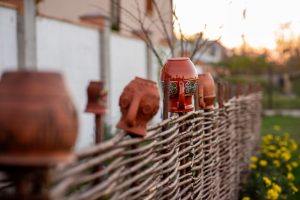
Bamboo fencing offers a unique and exotic look that can bring a tropical vibe to your garden. Bamboo is a sustainable material that grows quickly and is known for its strength.
Benefits of Bamboo Fencing
Bamboo fences are lightweight and easy to install, making them a popular choice for DIY enthusiasts. They are also naturally resistant to pests and can withstand various weather conditions. However, it’s essential to ensure that the bamboo is treated correctly to prevent rotting over time.
An Inspiring Example
A local community garden utilized bamboo fencing to create a charming and inviting space. The natural look of bamboo blended seamlessly with the surrounding plants, offering both privacy and style. The community members appreciated the eco-friendly aspect of bamboo, aligning with their commitment to sustainability.
6. Choosing the Right Style for Your Garden
While selecting the right material is crucial, the style of the fence also plays a significant role in its overall appearance. Here are some popular styles to consider:
Privacy Fences
Privacy fences are tall and solid, providing maximum seclusion from neighbors and passersby. They are ideal for creating a serene garden retreat. Materials like wood and vinyl work well for privacy fencing.
Picket Fences
Picket fences are a classic choice that adds charm to any garden. Typically made from wood or vinyl, they are lower in height and offer a more open feel while still marking boundaries. Picket fences are perfect for flower gardens and front yards.
Decorative Fences
For those looking to make a statement, decorative fences can add artistic flair to your garden. These fences can be made from various materials, including wrought iron, and often feature intricate designs or patterns.
Lattice Fences
Lattice fences offer a blend of privacy and decoration. The crisscross design allows plants to climb, creating a beautiful green wall. Lattice panels can be made from wood, vinyl, or composite materials.
7. Maintenance and Longevity
Regardless of the material you choose, proper maintenance will ensure the longevity of your garden fence. Here are some tips:
Regular Inspections
Regularly inspect your fence for signs of wear and tear. Look for loose boards, rust spots, or signs of decay. Addressing these issues early can prevent more extensive damage down the line.
Cleaning
Keep your fence clean by washing it periodically. For wooden fences, this may involve sanding and sealing to protect against moisture. Vinyl and metal fences can typically be cleaned with soap and water.
Seasonal Care
Consider the seasonal changes in your area. In winter, snow and ice can put stress on fences. Ensure that snow does not accumulate excessively on wooden or metal fences, as it can lead to warping or rust.
8. Costs and Budgeting
When planning for a new garden fence, it’s crucial to set a budget. Different materials come with varying costs, so understanding your budget will help you make informed decisions.
Material Costs
Wooden fences tend to be more affordable upfront but may require more maintenance over time. Metal and vinyl fences generally have higher initial costs but offer lower long-term maintenance. Composite and bamboo fences can vary widely in price depending on the quality and source.
Installation Costs
Consider whether you’ll be installing the fence yourself or hiring a professional. DIY installation can save money, but it’s essential to have the right tools and knowledge. Hiring a professional may increase costs but can ensure the job is done correctly.
9. Conclusion: Finding Your Perfect Garden Fence
Choosing the right material for your garden fence involves considering durability, style, and maintenance. Wooden, metal, composite, vinyl, and bamboo options each have their unique benefits, and the best choice depends on your specific needs and preferences.
By investing time in understanding the various materials and their benefits, you can create a stunning garden fence that enhances your outdoor space while providing the durability and privacy you desire.
Whether you opt for the classic charm of wood or the modern appeal of metal, your garden fence can be both durable and stylish, perfectly complementing your home and garden.