A garden fence is often seen as a simple boundary. Yet in reality, it is one of the most defining elements of outdoor design. The right fence does more than enclose a space. It shapes how your landscape looks, feels, and functions. It can create privacy, highlight natural beauty, and bring structure to an otherwise open environment.
Choosing from the many garden fence ideas available today can feel overwhelming. Each material, design, and height brings a different character to your space. The key lies in selecting a fence that does not compete with your garden but complements it. When chosen thoughtfully, a fence becomes an extension of your landscape rather than a barrier within it.
Understanding the Role of a Garden Fence in Landscape Design
Before exploring styles and materials, it is important to understand what a fence actually contributes to your outdoor space.
A fence defines boundaries, but it also creates a sense of order. It frames your garden, guiding the eye and shaping how different elements are perceived. It can make a small garden feel cozy or a large one feel structured.
Beyond aesthetics, fences provide practical benefits. They offer security, protect plants from external damage, and create a private space where you can relax without distraction.
Matching Fence Style with Landscape Theme
Every garden has a personality. The fence you choose should reflect and enhance that personality.
Traditional Gardens and Classic Fence Designs
In gardens with a timeless or formal layout, classic wooden fences or decorative wrought iron designs work well. They add elegance without overpowering the natural elements.
Modern Landscapes and Minimalist Fences
Contemporary gardens benefit from clean lines and simple designs. Materials like metal or composite panels create a sleek and sophisticated look that complements modern architecture.
Rustic and Natural Settings
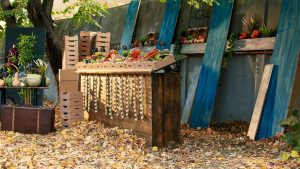
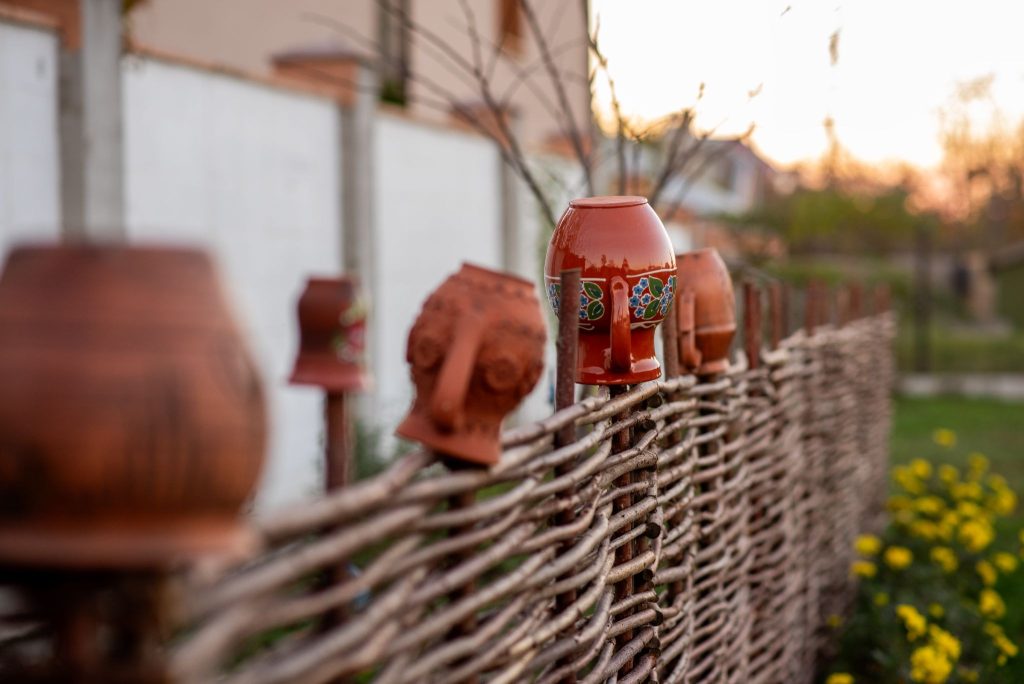
For gardens that embrace a natural or countryside feel, fences made from raw wood or stone blend seamlessly with the environment. They create harmony between structure and nature.
Choosing the Right Materials for Long-Term Value
Material selection plays a crucial role in both appearance and durability. Each option offers unique advantages.
Wood for Warmth and Versatility
Wooden fences are popular for their natural appearance. They can be painted or stained to match your garden’s color palette. However, they require regular maintenance to withstand weather conditions.
Metal for Strength and Modern Appeal
Metal fences, including steel and aluminum, are known for their durability. They provide a clean, modern look while offering strong protection.
Composite and Eco-Friendly Options
Composite materials combine durability with low maintenance
Recycled materials support sustainable design choices
Weather-resistant finishes extend the lifespan of the fence
These options are ideal for homeowners looking for long-term solutions with minimal upkeep.
Balancing Privacy and Openness
One of the most important considerations when choosing garden fence ideas is the level of privacy you need.
High Fences for Seclusion
Tall, solid fences create a private retreat. They block external views and reduce noise, making them perfect for urban environments.
Open Designs for Visual Flow
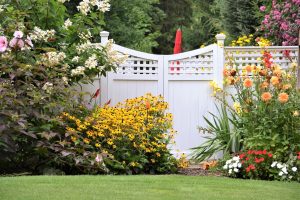
Lattice or spaced designs allow light and air to pass through. They maintain a connection with the surroundings while still defining boundaries.
Integrating Fences with Plants and Greenery
A fence should not stand apart from your garden. It should interact with the natural elements around it.
Using Climbing Plants for a Soft Look
Climbing plants such as ivy or roses can transform a simple fence into a living feature. They add texture and color while softening the structure.
Creating Layers with Landscaping
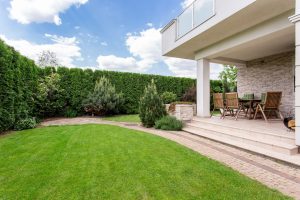
Positioning shrubs along the fence line
Combining flowers with fence textures
Using vertical gardening techniques
These approaches create depth and make the fence feel like part of the landscape rather than an addition.
Color and Finish: Subtle Details That Matter
Color plays a powerful role in how a fence is perceived. The right shade can enhance the overall harmony of your garden.
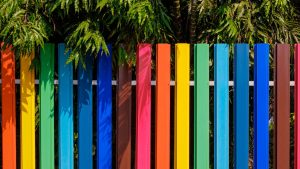
Neutral tones blend easily with natural surroundings, while bold colors can create a striking focal point. The choice depends on whether you want the fence to stand out or blend in.
Finishes also affect durability. Weather-resistant coatings protect the fence and maintain its appearance over time.
Functional Features That Enhance Design
A well-designed fence does more than look good. It serves practical purposes that improve your outdoor experience.
Incorporating Gates and Entry Points
A thoughtfully designed gate adds both convenience and style. It creates a welcoming entrance while maintaining security.
Lighting and Decorative Elements
Adding integrated lighting for safety and ambiance
Using decorative panels to create visual interest
Including built-in seating or planters
These features enhance both functionality and aesthetics, making the fence a central element of your garden.
Expert Insight: Designing with Purpose and Vision
Experts in garden design emphasize that a fence should never be an afterthought. It should be planned alongside the rest of the landscape.
One key piece of advice is to consider the long-term impact. A fence is a permanent structure, so its design should remain relevant as your garden evolves. Another important insight is to focus on balance. The fence should complement other elements without dominating them.
Experts also recommend visualizing the space from different angles. This helps ensure that the fence looks appealing from both inside and outside the garden.
Common Mistakes to Avoid When Choosing a Fence
Many homeowners make the mistake of prioritizing function over design or vice versa. A fence should achieve both.
Another common issue is ignoring the scale of the garden. A fence that is too large can overwhelm a small space, while a low fence may feel insignificant in a larger area.
Choosing materials without considering maintenance requirements can also lead to long-term challenges. Understanding these factors helps in making a more informed decision.
Adapting Fence Ideas to Different Garden Sizes
The size of your garden influences the type of fence that will work best.
In smaller gardens, lighter designs and open structures help create a sense of space. In larger landscapes, more substantial fences can provide structure and definition.
Adapting your choice to the size of your garden ensures a balanced and harmonious design.
The Emotional Impact of a Well-Chosen Fence
A garden is more than a physical space. It is a place of relaxation, creativity, and connection with nature. The right fence contributes to this experience by creating a sense of comfort and security.
It frames your view, enhances your surroundings, and provides a backdrop for your outdoor life. Over time, it becomes an integral part of your home’s identity.
FAQs
1. How do I choose the best garden fence for my landscape?
Consider your garden’s style, size, and purpose. Choose materials and designs that complement existing elements while providing the desired level of privacy and functionality.
2. What is the most durable material for garden fences?
Metal and composite materials are known for their durability and low maintenance. They are ideal for long-term use in various weather conditions.
3. Can a garden fence improve property value?
Yes, a well-designed fence enhances the overall appearance and functionality of a property, making it more attractive to potential buyers.