
Outdoor spaces are no longer treated as separate from the home. They are part of the overall living experience. Gardens, patios, and terraces now function as extensions of interior design. This shift has changed how homeowners think about boundaries. Instead of plain barriers, fences are now designed features. That is why modern garden fence ideas are gaining so much attention. They combine privacy, style, and architecture in a single element. A fence is no longer just a divider. It is part of the home’s visual identity.
What defines a modern garden fence today
Modern fencing is very different from traditional designs. It focuses on clean lines, smart materials, and visual balance. Modern garden fence ideas often prioritize simplicity over decoration. The goal is not to overwhelm the space but to enhance it. Materials are carefully chosen for durability and aesthetics. Design is influenced by architecture, not just garden needs. This creates a seamless connection between house and outdoor space. A modern fence feels intentional, not purely functional.
Why homeowners are rethinking traditional fencing
Traditional fences were mostly about separation and security. They were often heavy, opaque, and visually dominant. Today, homeowners want something different. Modern garden fence ideas offer privacy without closing off the space completely. People now prefer lighter structures that feel open and inviting. Modern architecture also influences this shift. Homes with large windows and open layouts need fences that match the same visual language. The result is a move toward minimal, elegant outdoor boundaries.
How modern garden fence ideas improve curb appeal
Curb appeal plays a major role in property value and first impressions. A fence is one of the first things people notice. Well-designed modern garden fence ideas can significantly improve the look of a home. They create structure and frame the landscape. A good fence complements the architecture rather than competing with it. It can make even a simple garden look polished and intentional. This visual harmony increases both aesthetic appeal and perceived value.
Color palettes and visual harmony
Color is a key design element in modern fencing. Neutral tones like grey, black, and natural wood are very popular. These colors blend easily with different house styles. Modern garden fence ideas often focus on harmony rather than contrast. However, contrast can also be used strategically to highlight architectural features. The goal is balance. A well-chosen color palette ensures that the fence supports the overall design instead of distracting from it.
Popular materials shaping modern garden fences
Material choice defines the look and durability of a fence. Wood is still popular, but it is now often treated or combined with other materials. Metal, especially aluminum and steel, is widely used in modern garden fence ideas. These materials offer strength and a clean, contemporary look. Glass panels are also used in some high-end designs. They create openness while still defining boundaries. Mixed-material fences are becoming more common, combining texture and structure in interesting ways.
The role of privacy in modern garden fence ideas
Privacy remains one of the main reasons for installing a fence. However, the approach has changed. Instead of fully blocking views, modern garden fence ideas focus on controlled privacy. This means allowing light and partial visibility while still protecting personal space. Layered designs are often used to achieve this effect. For example, slatted wood or spaced metal panels. These designs create privacy without making the space feel closed or confined.
Sustainability in modern fencing design
Sustainability is a major trend in all areas of home design. Fencing is no exception. Many modern garden fence ideas now use eco-friendly materials. This includes responsibly sourced wood, recycled metals, and composite materials. Sustainability also means durability. A fence that lasts longer reduces waste and replacement costs. Homeowners are increasingly aware of environmental impact. As a result, sustainable fencing is not just a trend but a long-term shift in design thinking.
Low-maintenance as a design priority
Modern homeowners value convenience. Maintenance-heavy materials are becoming less popular. Modern garden fence ideas often focus on low-maintenance solutions. Composite materials, treated wood, and powder-coated metals require less upkeep. This reduces long-term costs and effort. A fence that looks good with minimal maintenance is more practical for busy lifestyles. Durability and ease of care are now key design factors.
How landscaping influences fence design choices
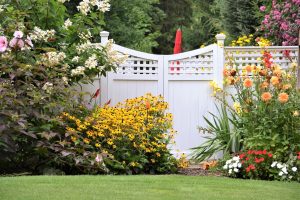
Fences are no longer separate from landscaping. They are part of a larger outdoor composition. Modern garden fence ideas often work together with plants, hedges, and garden layouts. Greenery can soften hard fence lines and create a natural transition. Vertical gardens and living fences are also becoming more popular. These designs integrate plants directly into the structure. The result is a more organic and visually rich outdoor space.
Technological integration in modern fences
Technology is also influencing garden design. Smart features are being integrated into fencing systems. Modern garden fence ideas may include lighting, security sensors, or automated gates. These features improve both safety and convenience. Lighting can highlight design elements at night. Smart systems can enhance security without compromising aesthetics. Technology is often hidden within minimalist designs, keeping the visual appearance clean.
Common design mistakes in garden fencing
Even with many options available, mistakes still happen. One common issue is choosing a style that does not match the house. Modern garden fence ideas must align with the overall architecture. Another mistake is ignoring scale. A fence that is too tall or too heavy can overwhelm the space. Poor material choices can also reduce durability and visual appeal. Planning is essential to avoid these issues.
How modern garden fence ideas reflect lifestyle trends
Fencing design is closely linked to lifestyle changes. People now spend more time outdoors. Gardens are used for relaxation, work, and social activities. Modern garden fence ideas support this shift by creating comfortable and stylish outdoor environments. They reflect a desire for calm, functional, and aesthetically pleasing spaces. Fences are no longer just boundaries. They are part of the lifestyle experience.
Customization and personalization trends
Personal expression is becoming more important in home design. Standard fences are often replaced with custom solutions. Modern garden fence ideas include personalized patterns, cut-outs, and artistic designs. This allows homeowners to create unique outdoor spaces. Customization also helps match specific architectural styles. As a result, no two modern fences need to look the same.
Cost considerations and long-term value
Cost is always an important factor in home improvement. Modern fencing can vary widely in price. However, modern garden fence ideas often provide better long-term value. Durable materials reduce replacement needs. Low maintenance lowers ongoing costs. Additionally, attractive fencing can increase property value. This makes modern fences a practical investment rather than just an expense.
Future trends in modern garden fencing
The future of fencing is moving toward flexibility and intelligence. Modular systems are becoming more popular. These allow sections to be adjusted or replaced easily. Modern garden fence ideas will likely include more smart materials and integrated technology. Sustainability will continue to be a major focus. Fences may also become more interactive, blending design with functionality in new ways.
Conclusion
Fencing has evolved from a basic boundary into a key design feature. It now plays a role in privacy, aesthetics, and lifestyle expression. Modern garden fence ideas combine all these elements in a balanced way. They reflect broader trends in architecture and living preferences. As homeowners continue to value design, sustainability, and functionality, modern fencing will remain an essential part of home design. It is no longer just about marking space. It is about shaping how that space feels and functions.